
Tucked away in the rare book collection at Yale University's Beinecke Library lies a 240-page enigma that has puzzled scholars, cryptographers, and historians for centuries. Known as the Voynich Manuscript, this illustrated codex dates back to the early 15th century and is written in an unknown script that no one has ever been able to decode. Named after Wilfrid Voynich, the Polish book dealer who acquired it in 1912, the manuscript features bizarre drawings of unidentified plants, astronomical diagrams, and naked figures in strange baths, all accompanied by text in a language or code that defies translation. Is it a medieval herbal guide, an alchemical treatise, or perhaps an elaborate hoax? The mystery endures, making it one of history's greatest unsolved puzzles.
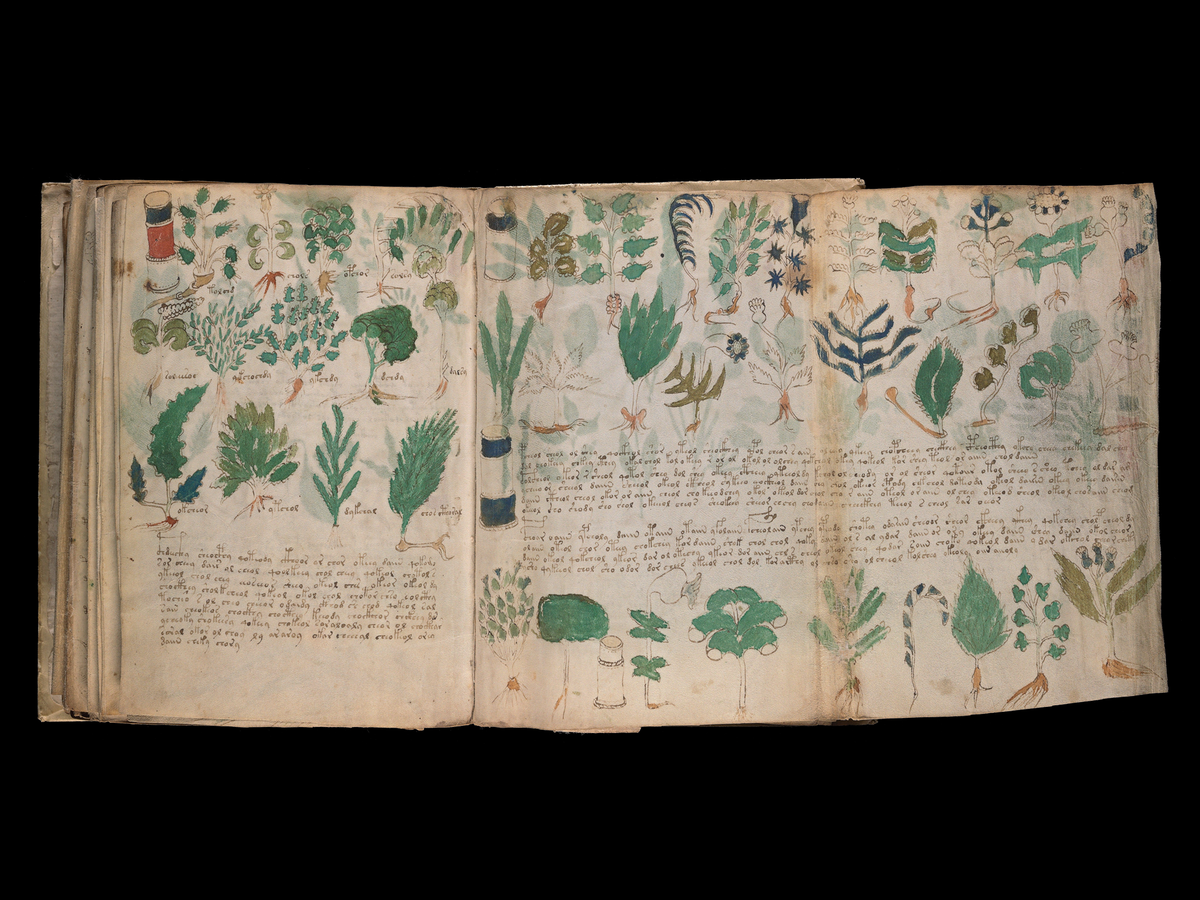
The manuscript, made of vellum (calfskin), measures about 23.5 by 16.2 cm and is divided into several sections based on its illustrations: herbal, astronomical, biological, cosmological, pharmaceutical, and recipes. Despite extensive analysis, including carbon dating that places its creation between 1404 and 1438, the origins remain obscure. Some speculate it was crafted in Italy during the Renaissance, possibly linked to figures like Roger Bacon or even Leonardo da Vinci, though evidence is scant.
The Enigmatic Illustrations and Script
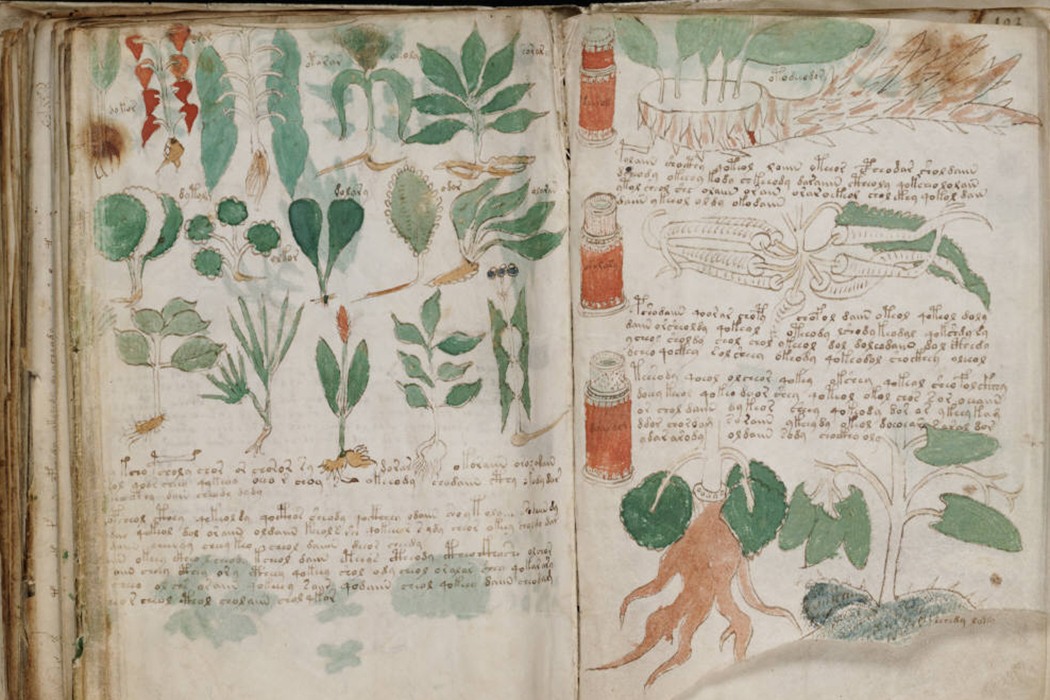
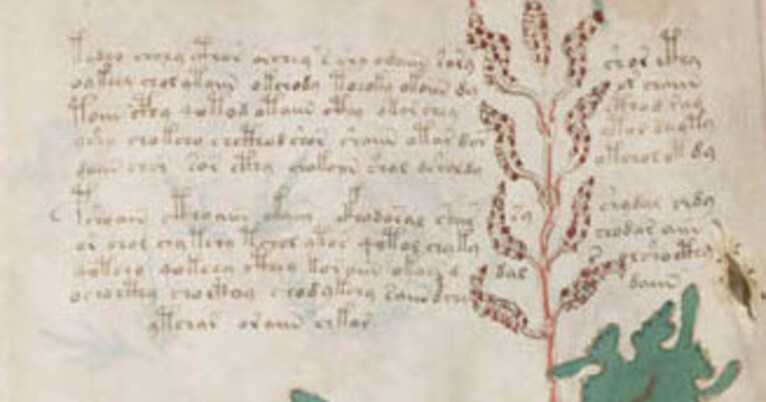
What sets the Voynich Manuscript apart are its vivid, otherworldly illustrations. The herbal pages depict plants that don't match any known species, with roots, leaves, and flowers that seem plucked from a dream. The astronomical section includes zodiac-like charts and diagrams of stars, while the biological pages show nude women in interconnected tubs and pools, possibly representing some form of balneotherapy or a metaphor for human anatomy. The script itself is fluid and elegant, consisting of about 20-30 unique characters, written from left to right with no punctuation. Statistical analyses suggest it mimics natural languages, with word frequencies following Zipf's law, yet every attempt at decryption—from simple substitution ciphers to complex algorithms—has failed.
Experts have proposed it's a constructed language, a ciphertext, or even gibberish meant to impress. In 2019, a study claimed parts might be in a proto-Romance language, but this was widely disputed. AI and machine learning have been applied recently, yet the code remains unbroken, fueling theories from extraterrestrial origins to a sophisticated Renaissance prank.
Ongoing Quests and Modern Discoveries
Over the years, the manuscript has passed through notable hands, including Holy Roman Emperor Rudolf II and Jesuit scholars. It vanished for centuries before resurfacing. Today, high-resolution scans are available online, allowing armchair detectives worldwide to try their luck. Carbon dating and ink analysis confirm its age, ruling out modern forgery, but the purpose eludes us. Some see it as a pharmacopoeia for exotic herbs, others as a guide to women's health or even a map to lost knowledge.
In 2023, researchers used multispectral imaging to reveal hidden details, but no breakthroughs yet. The Voynich Manuscript continues to captivate, reminding us that some secrets of the past may forever remain veiled.
This baffling artifact challenges our assumptions about medieval knowledge and ingenuity. Who knows—perhaps one day, a brilliant mind will crack the code, unveiling treasures of forgotten wisdom. Until then, it stands as a testament to the enduring allure of the unknown in history. If you're intrigued, exploring other cryptic texts like the Rohonc Codex might uncover more historical riddles!






0 Comments